Yellow Giant Hyssop
Yellow Giant Hyssop (Agastache nepetoides)
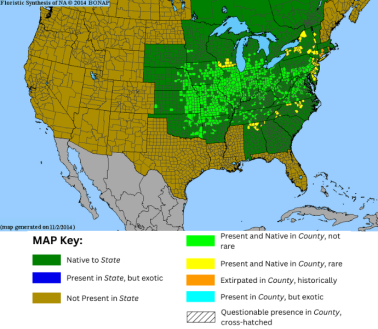
Range: Agastache nepetoides is native to the North Central and Northeastern United States, typically found in prairies, meadows, and open woodlands.
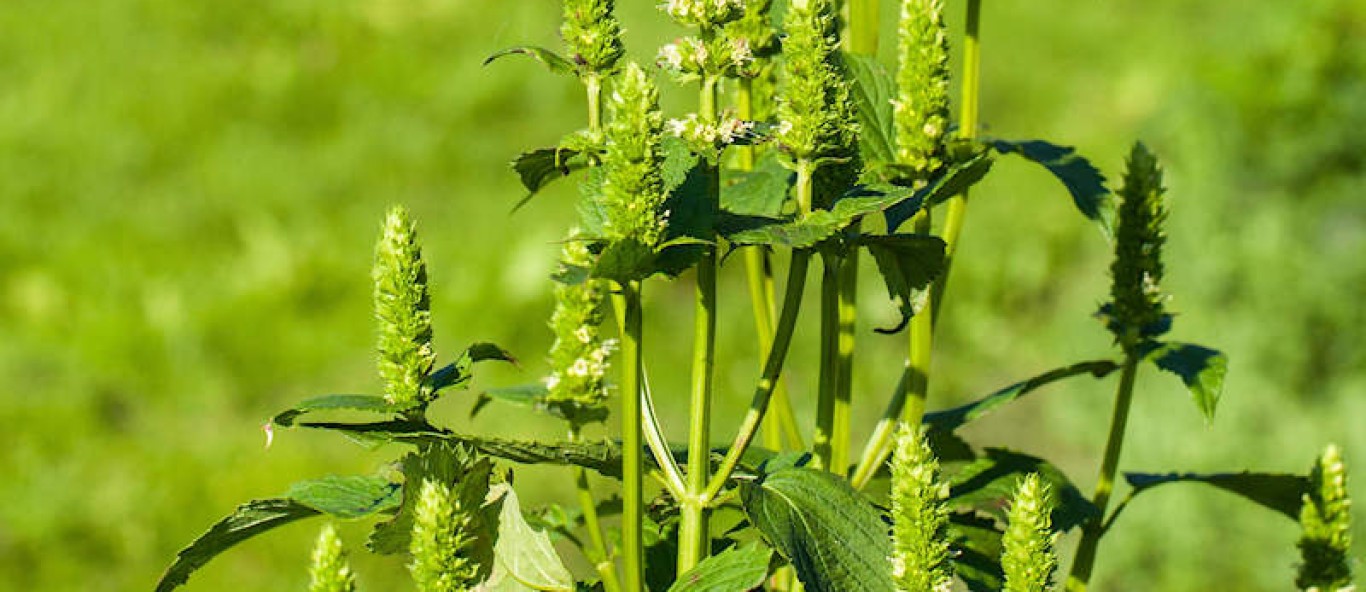
Description & Impact: Yellow Giant Hyssop is a tall, erect herbaceous perennial in the mint family (Lamiaceae) that grows 4–6 feet tall and 1–3 feet wide, with few branches except from leaf axils. The central stem is 4-angled, hairless, and winged, giving it a square cross-section. Opposite, arrowhead- or lanceolate-ovate leaves are medium to dark green, up to 5–6 inches long and 3 inches across, with coarsely toothed margins. The leaves lack a strong, minty fragrance, which is usually characteristic of plants in the mint family. The flowers it produces are greenish-yellow spikes (4–16 inches long) at the ends of stems, with only a few flowers in bloom at a time. They bloom mid-summer to early fall, lasting 1–2 months. The spikes are attractive to bees, butterflies, and other pollinators.
Plant Medical History: Indigenous peoples of North America reportedly used various parts of the plant to treat respiratory ailments, digestive issues, and fevers.
Cultivation & Garden Use: Yellow Giant Hyssop grows in USDA zones 2-8. It enjoys life in full sun to partial shade. It thrives in well-drained, moderately fertile loam, but will tolerate clay if drainage is reasonable. The root system is fibrous and rhizomatous, allowing it to spread and form colonies without being invasive. The plant becomes drought tolerant once established. It is deer resistant due to its bitter taste. It is low maintenance with very limited pest and disease issues occurring. It can re-seed itself or spread by rhizomes, but it will typically only fill in spaces and not considered an aggressive spreader. Yellow Giant Hyssop is a showy, pollinator-friendly native perennial with striking foliage and late-season blooms, making it a valuable addition to border gardens, cottage gardens, butterfly gardens, prairie plantings, and woodland gardens.